Everything you need to get your flock started — from hatch day on.
Bloomington Farm & Feed is your one-stop shop for chick season, stocked with locally milled starter feed, brooder essentials, and all the supplies to give your new birds the best possible start.
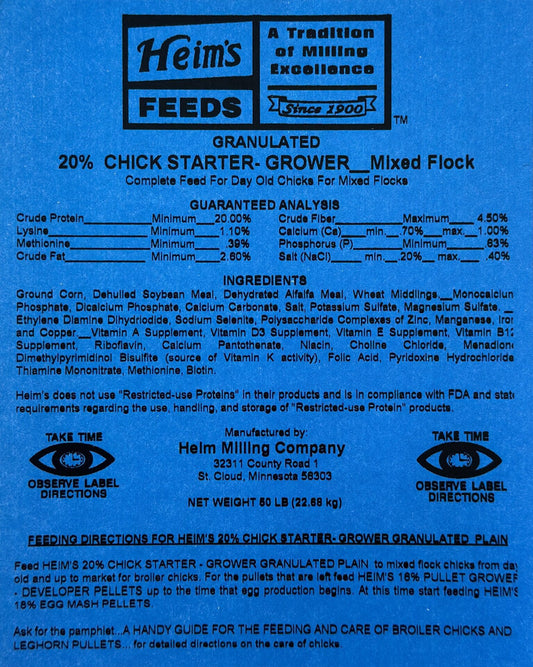
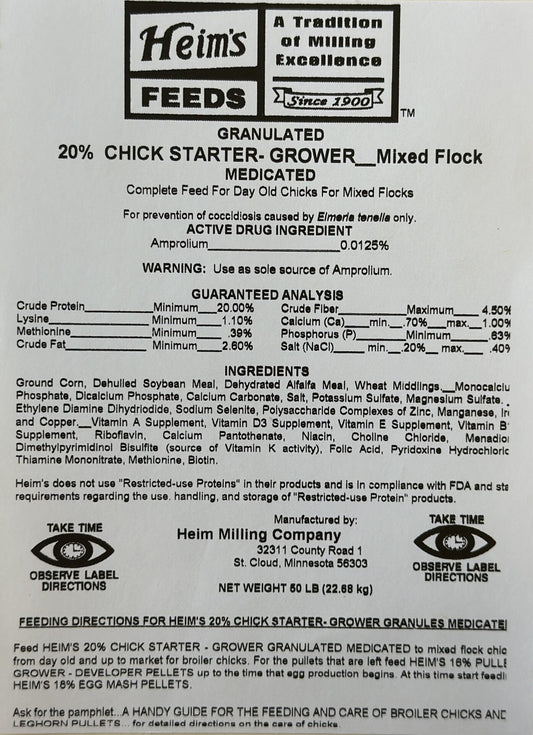
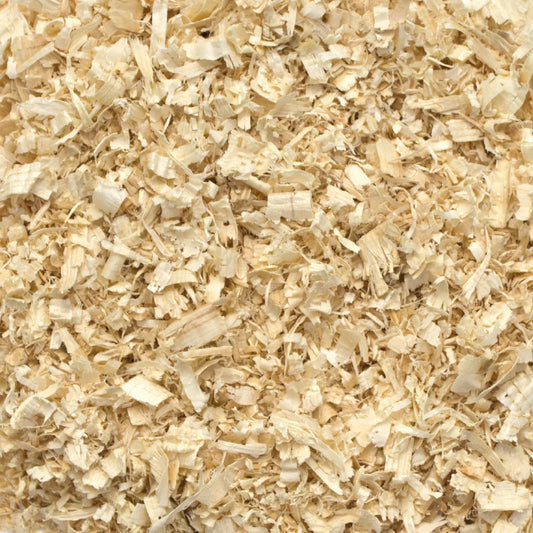
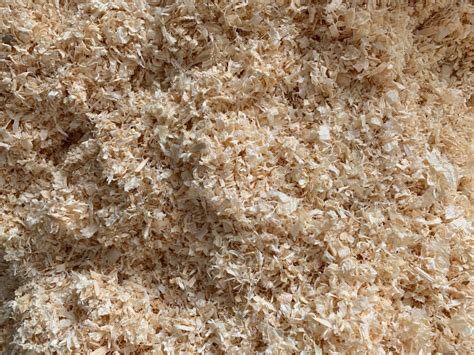
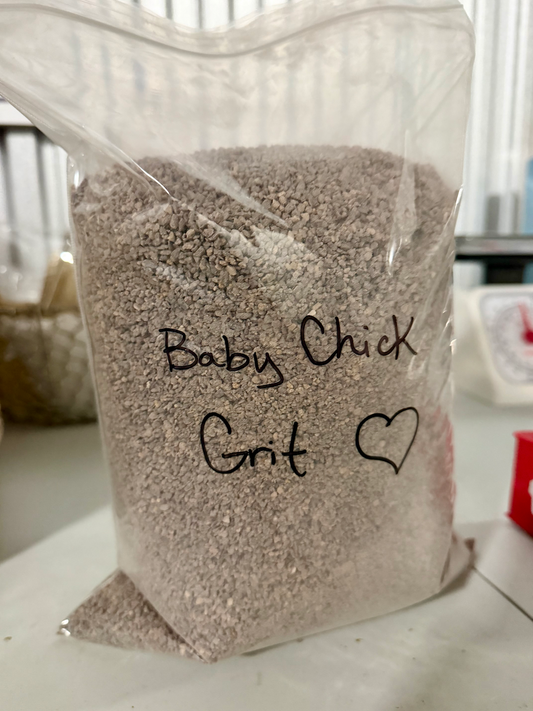
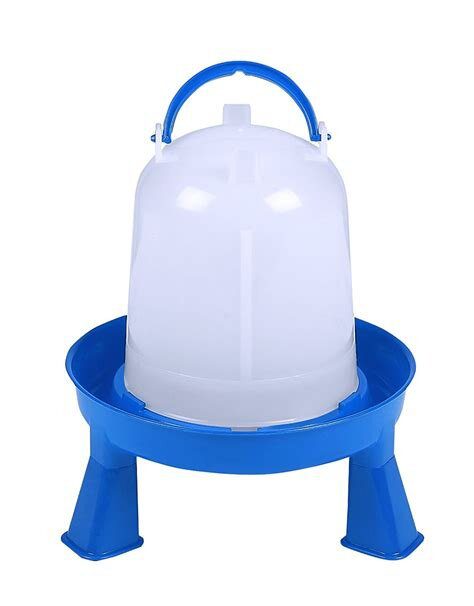
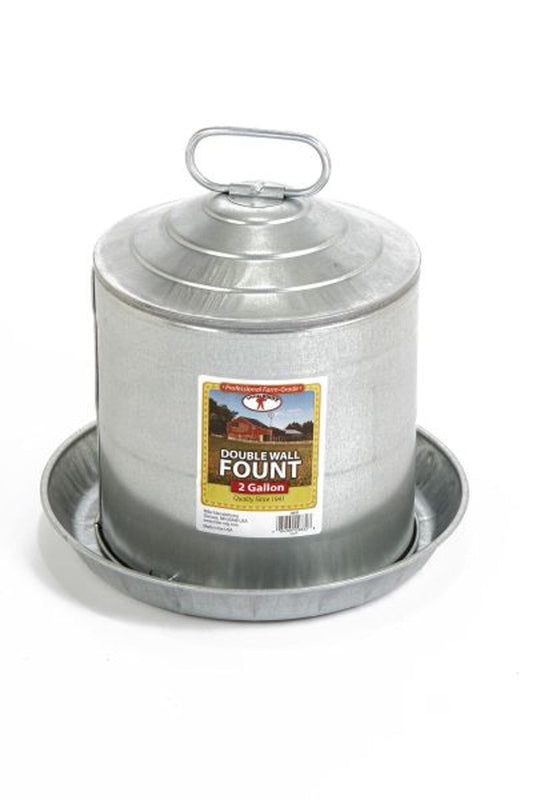
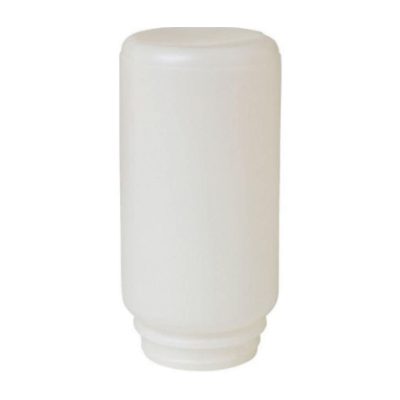
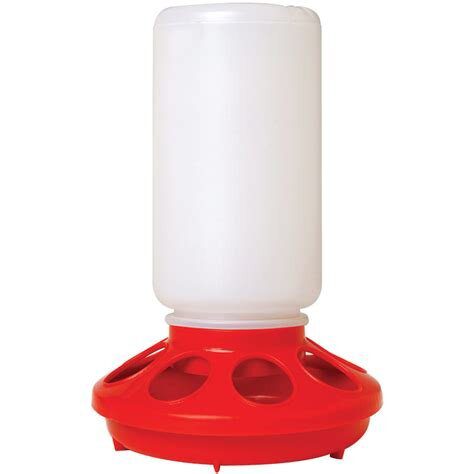
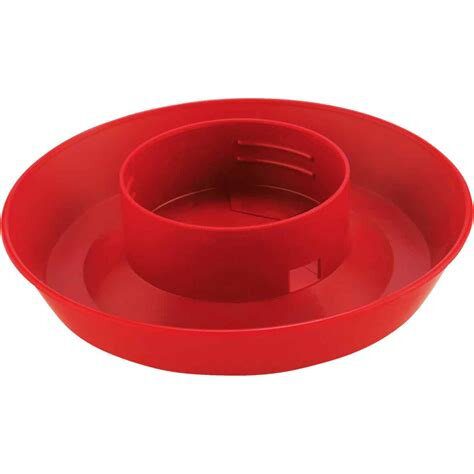
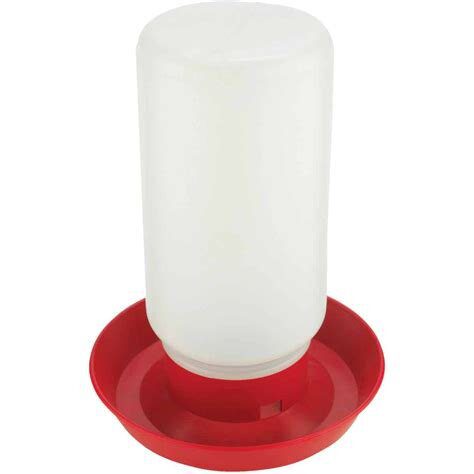
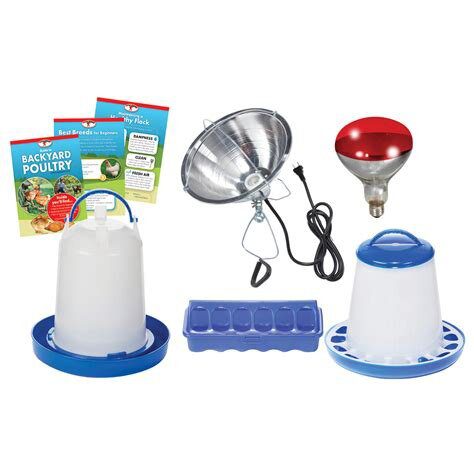
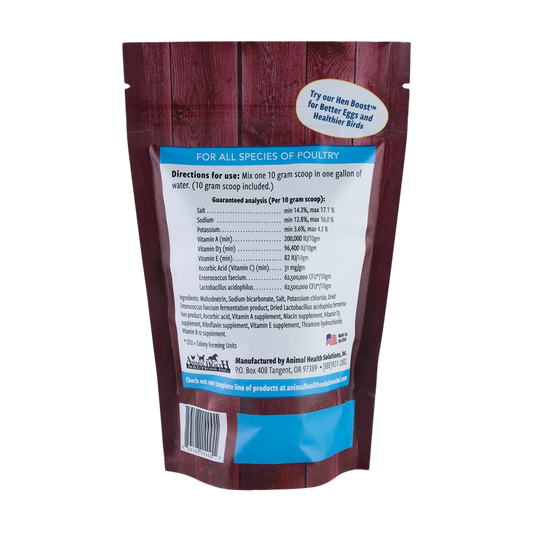
Feed your chicks right with Heim Milling's 20% Chick Starter-Grower Crumble (medicated and non-medicated) or Luxemburg's 22% Non-GMO No Corn No Soy Starter Mash. Keep them warm, hydrated, and healthy with brooder lamps, chick founts, electrolytes, probiotics, bedding, and grit. New to keeping chickens? Grab the Double Tuf Beginner Poultry Kit and hit the ground running
Available for local delivery or pickup in the Twin Cities metro.
Brooding & Chick Supply FAQs
What temperature does a brooder need to be?
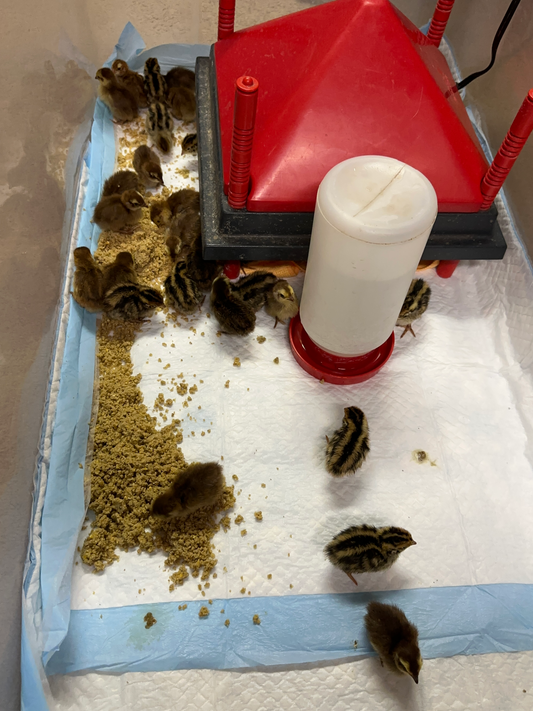
Start your brooder at 95°F for the first week, then reduce by 5°F each week until chicks are fully feathered — typically around 6–8 weeks. A good rule of thumb: watch the chicks. If they huddle under the heat source, they're cold. If they avoid it and spread to the edges, they're too hot. Comfortable chicks move freely throughout the brooder.
How long do chicks need to stay in a brooder?
Most chicks are ready to move outside between 6–8 weeks of age, once fully feathered. In Minnesota, outdoor timing also depends on the season — chicks moved outside in early spring may need supplemental heat longer than those brooded in summer. Never move chicks outside if nighttime temps are still dropping below 50°F without a heat source.
Should I use medicated or non-medicated chick starter?
Medicated starter contains amprolium, which helps prevent coccidiosis — a common and potentially fatal intestinal parasite in young chicks. It's a good choice for most backyard flocks, especially if chicks will have access to soil. Non-medicated starter is appropriate if your chicks were vaccinated for coccidiosis at the hatchery, or if you prefer a non-medicated approach with extra biosecurity.
How much space do chicks need in a brooder?
Allow at least 0.5 square feet per chick for the first 2 weeks, increasing to 1 square foot by weeks 3–4. Overcrowding causes stress, pecking, and disease spread. A standard 2x4 ft brooder works well for up to 8–10 chicks through the first month.
When do chicks need grit?
Chicks eating only commercial starter feed don't need grit — the feed is already ground fine enough to digest without it. Once you start offering treats, scratch, or anything other than crumble or mash, offer chick-sized grit free-choice. Never give adult grit to chicks — the pieces are too large.
Read more from our Flock Blog:
→ Brooder Setup for Day-Old Chicks: Everything You Need for a Strong Start
→ When Can Chicks Move Outside? A Minnesota Keeper's Transition Guide
→ What to Feed Chickens at Every Life Stage
→ Understanding Medicated Feeds – Protecting Your Chicks from Disease
→ Spring Brooding Guide for Game Bird Chicks in the Twin Cities
→ Duck & Goose Brooding Guide for Twin Cities Keepers