Minnesota winters are no joke — and neither is keeping your flock warm, hydrated, and healthy when temperatures drop. Our Winter Coop Care collection brings together everything you need to winterize your coop and protect your birds through the cold months.
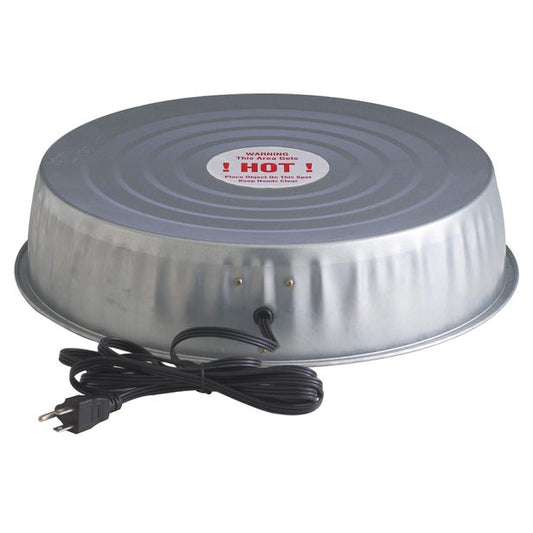
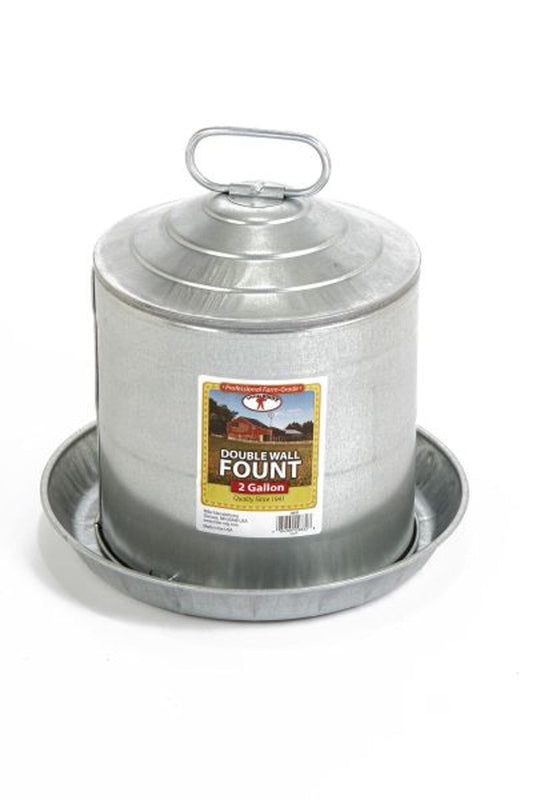
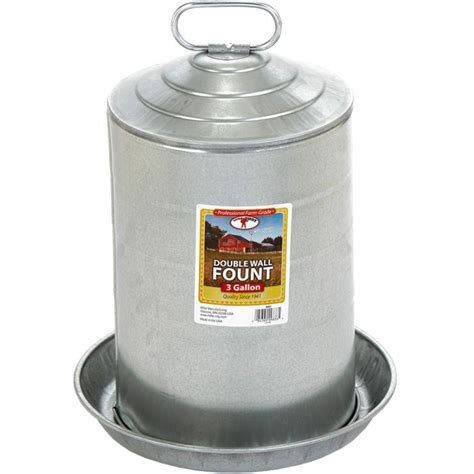
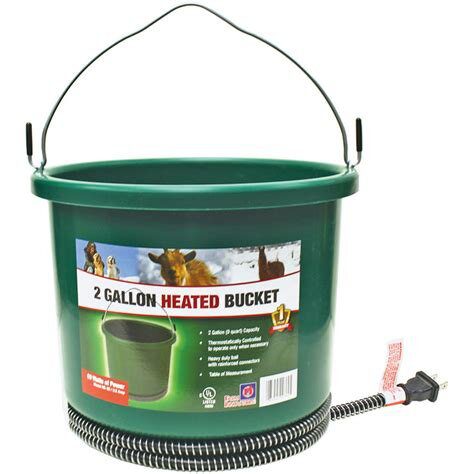
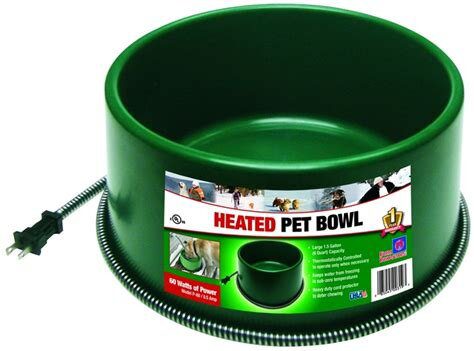
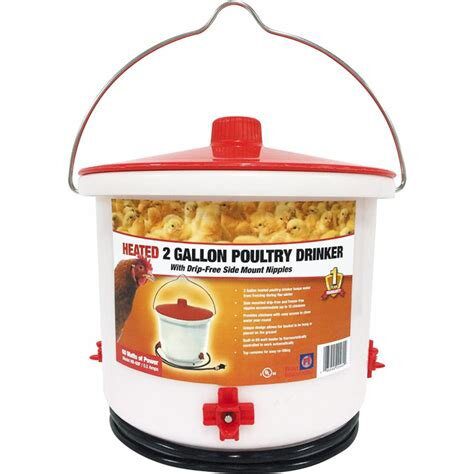
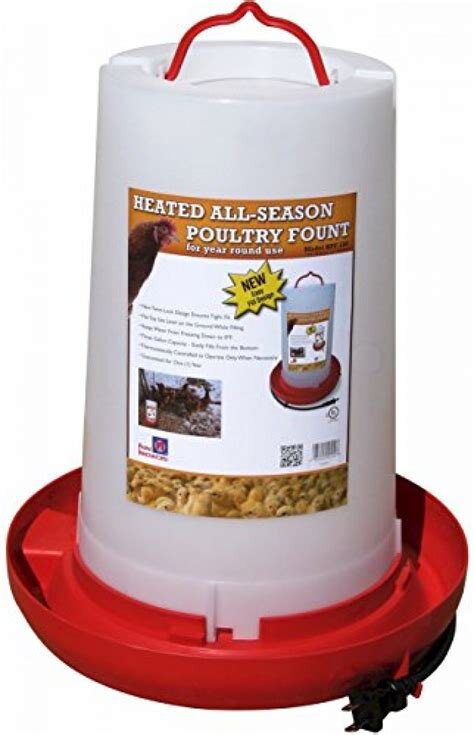
- Heated Waterers & Founts to prevent freezing
- Coop Insulation & Poly Film Sheeting to seal out drafts
- Heat Lamps & Brooder Bulbs for supplemental warmth
- Bag Balm for frostbitten combs & wattles
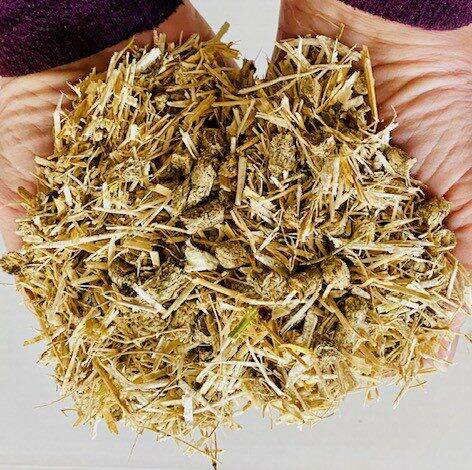
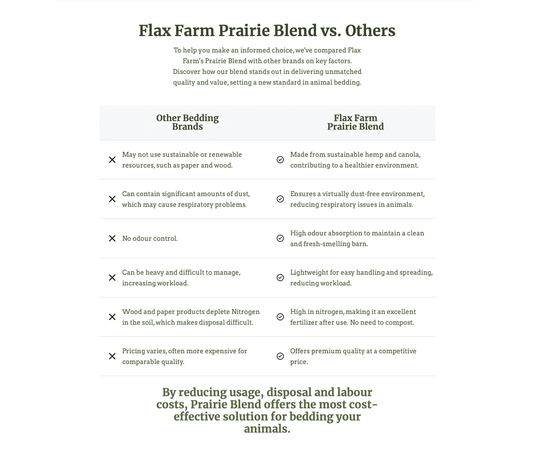
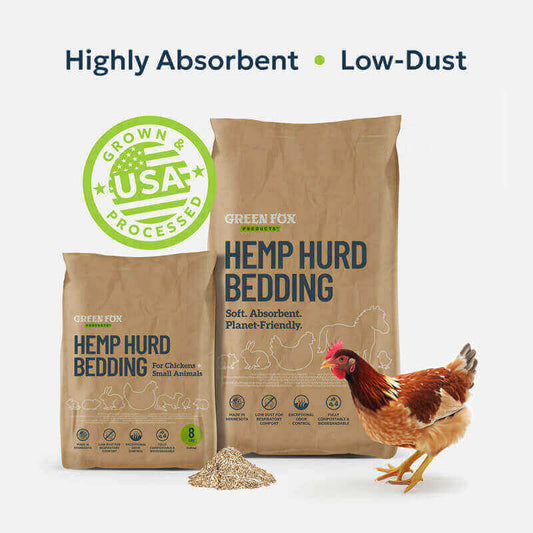
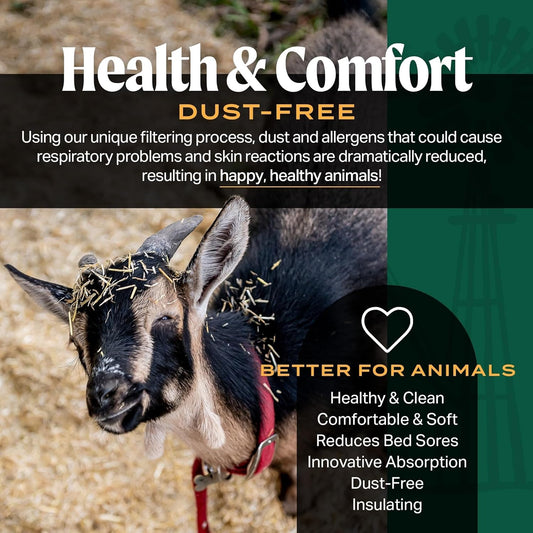
- Straw Bales & Hemp Bedding for deep-litter insulation
- Hydration & Conditioning Supplements for cold-weather flock support
- Winter Treats to keep your flock warm
- Supplements & First Aid for winter weather
Winter Coop Care FAQs
Do chickens need a heated coop in Minnesota winters?
Most cold-hardy breeds — like Plymouth Rocks, Wyandottes, and Orpingtons — can handle Minnesota winters without supplemental heat as long as the coop is draft-free, dry, and well-ventilated. What they can't handle is wet, drafty conditions. Focus on sealing drafts and keeping bedding dry before adding heat. If you do use a heat lamp, follow fire safety protocols carefully — heat lamps are a leading cause of coop fires.
At what temperature do chickens need a heat lamp?
Healthy adult chickens with cold-hardy breeds generally don't need supplemental heat until temperatures drop well below 0°F. Chicks, bantams, Mediterranean breeds (like Leghorns), and birds recovering from illness may need heat at higher temperatures. If your flock includes vulnerable birds or you're seeing signs of cold stress — huddling, pale combs, reduced activity — supplemental heat is warranted.
How do I keep my chicken waterer from freezing?
A heated waterer base or purpose-built heated fount is the most reliable solution for Minnesota winters. Place the waterer inside the coop where it's slightly warmer than outside. Check water twice daily on the coldest days. Avoid using extension cords not rated for outdoor use, and keep cords away from bedding to reduce fire risk.
How do I prevent frostbite on my chickens' combs and wattles?
Frostbite on combs and wattles is caused by moisture combined with cold — not cold alone. Keep the coop well-ventilated to reduce humidity from droppings and respiration, and apply a thin layer of Bag Balm or petroleum jelly to combs and wattles on the coldest nights as a barrier against frost. Large-combed breeds like Leghorns are most susceptible.
Should I use the deep litter method in winter?
Yes — the deep litter method is especially well-suited to Minnesota winters. As bedding layers build up and compost, the microbial activity generates heat at the coop floor level, adding natural warmth. Start with 4–6 inches of straw or pine shavings in fall and add fresh layers throughout winter. The composting process also reduces ammonia odor when managed correctly.
Do winter treats really help keep chickens warm?
Yes — the right treats can make a real difference on cold nights. Chickens generate body heat by digesting food, so a handful of scratch grains or cracked corn in the late afternoon gives them slow-burning fuel that keeps them warmer overnight. High-protein, high-fat treats like dried mealworms, black soldier fly larvae, and hempseed crumbles help birds maintain body condition and regrow feathers after fall molt. Winter treats also give cooped-up birds something to forage and peck at, which reduces boredom and feather picking. Just keep treats to about 10% of their diet so hens still get the balanced nutrition they need from their layer feed.
What supplements and first aid supplies should I have on hand for winter?
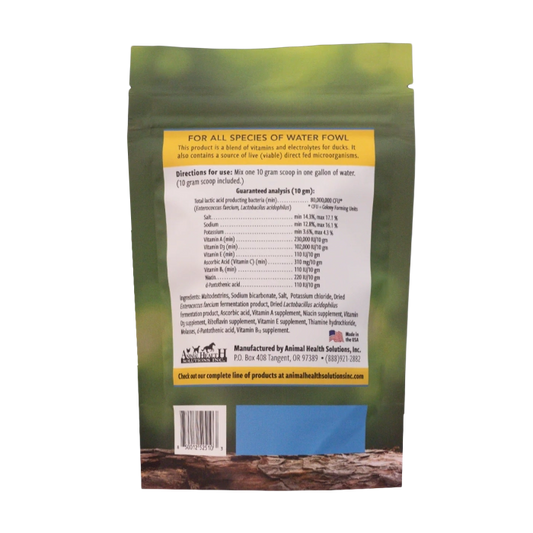
Cold weather is stressful on birds, and a well-stocked flock first aid kit helps you act fast when something goes wrong. Vitamin and electrolyte supplements like Rooster Booster Poultry Cell or Durvet Vitamins & Electrolytes can be added to water to support birds through cold snaps, molting, and stress — especially since chickens often drink less when water is icy. For frostbite or pecking injuries, keep an antimicrobial spray like Vetericyn Poultry Care to clean wounds, a protective ointment like Silver Honey or Bag Balm, and self-adhering vet wrap for injured feet. Check combs, wattles, and feet regularly on the coldest days, separate any injured bird so flockmates don't peck at the wound, and contact a vet for serious injuries or signs of illness.
Read more from our Flock Blog:
→ Winterizing Your Coop
→ Picking Bedding for Your Flock
→ Guide To Deep Litter Method





![Galvanized Pan [4 qt] image 0](http://bloomingtonfarmandfeed.com/cdn/shop/files/ab4d86a6-miller_manufacturing_gp1_galvanized_pan_4_qt.jpg?v=1736371487&width=533)









![Silver Honey Hot Spot & Wound Care Ointment [2 oz] image 0](http://bloomingtonfarmandfeed.com/cdn/shop/files/5d97948b-5848451.webp?v=1736371487&width=533)
![Silver Honey Hot Spot & Wound Care Ointment [2 oz] image 1](http://bloomingtonfarmandfeed.com/cdn/shop/files/29cbff5a-silver_honey_hot_spot_wound_care_ointment_2_oz.webp?v=1736371487&width=533)


