Collection: Feeders & Waterers
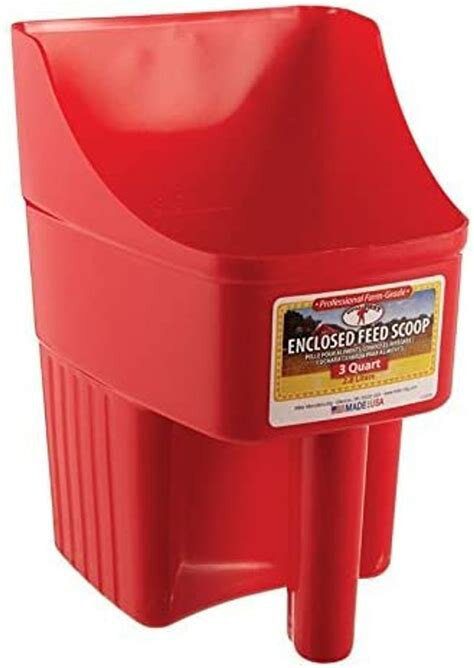
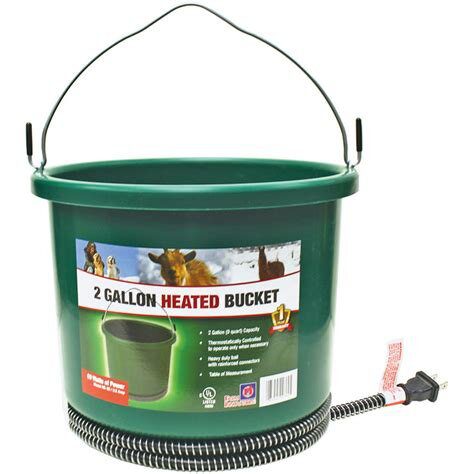
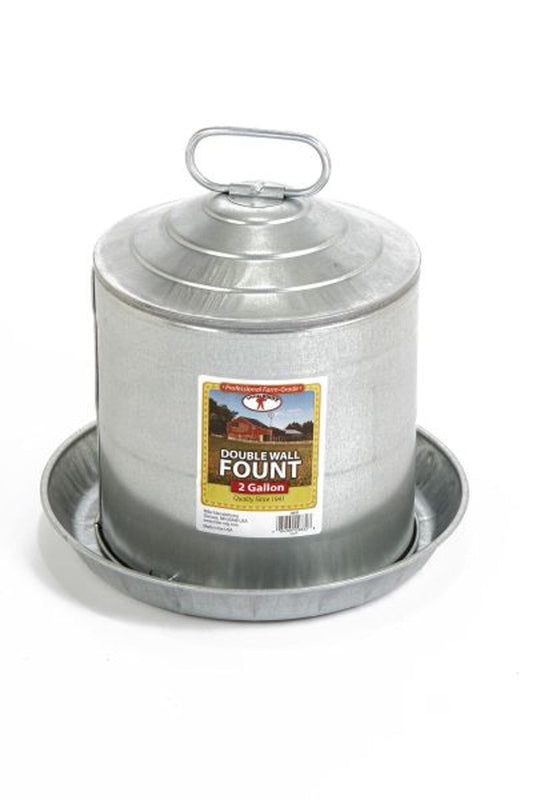
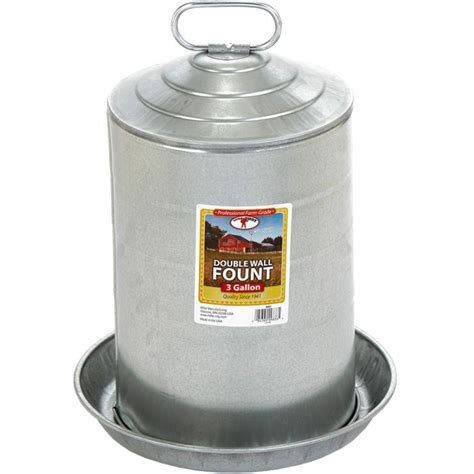
Keep your flock fed and hydrated with our full selection of poultry feeders and waterers. From gravity-fed founts and hanging feeders to heated waterers for Minnesota winters, we carry trusted brands like Little Giant, Farm Innovators, Miller, and more.
- Hanging & gravity feeders
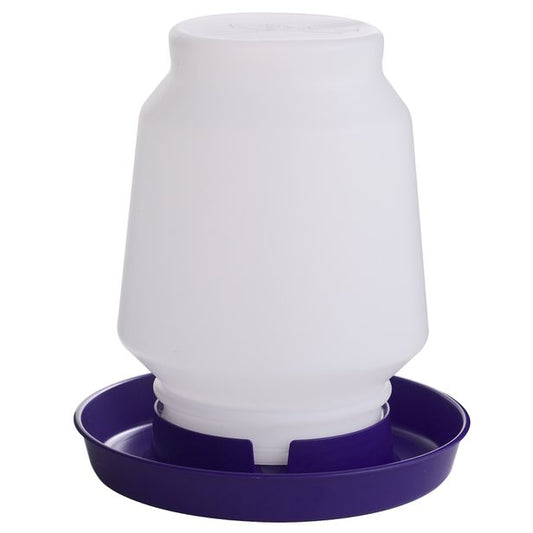
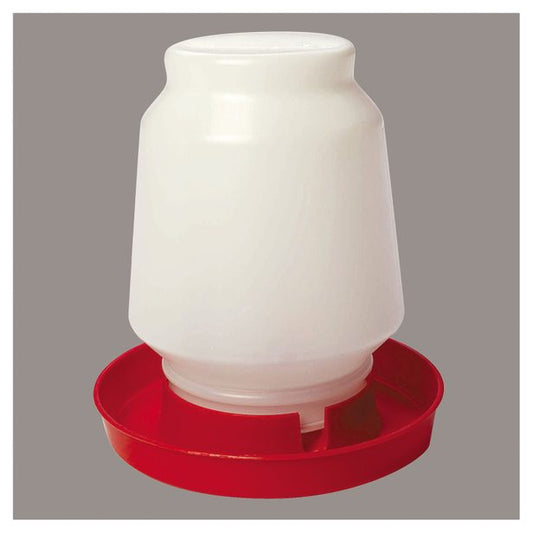
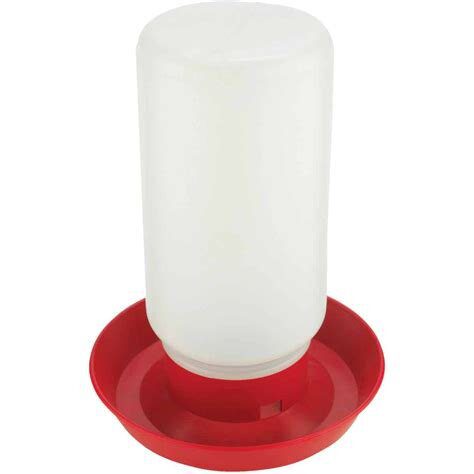
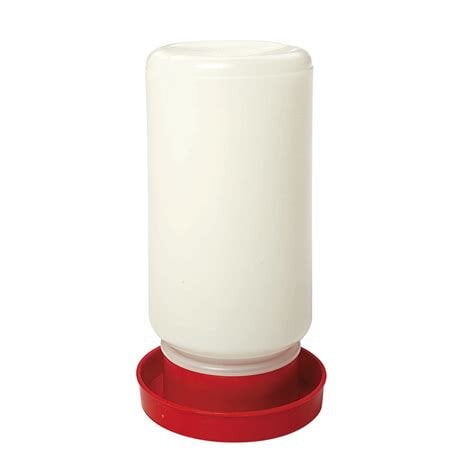
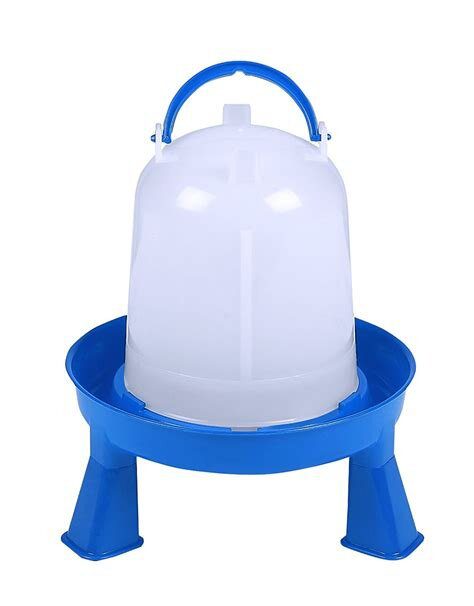
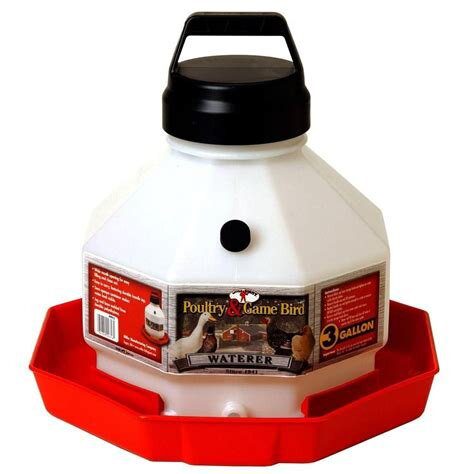
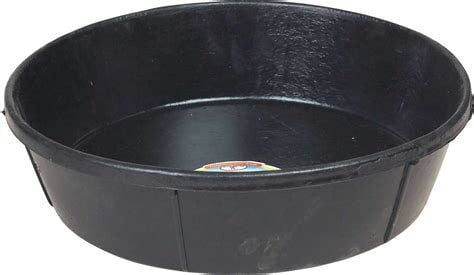
- Poultry founts & waterers
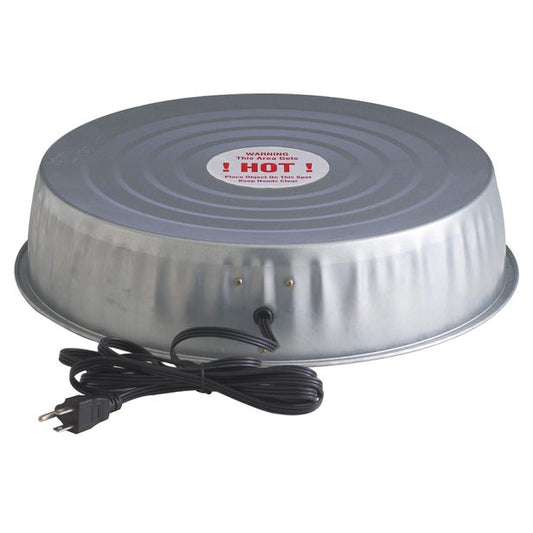
- Heated waterers & heater bases
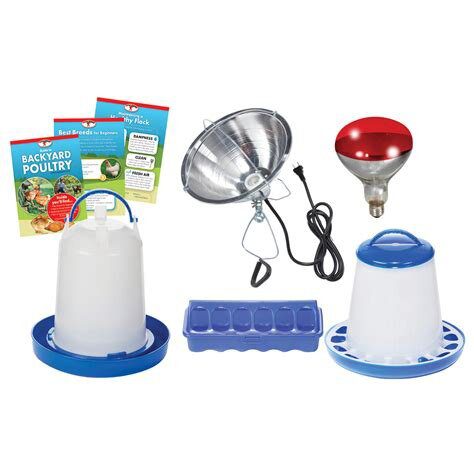
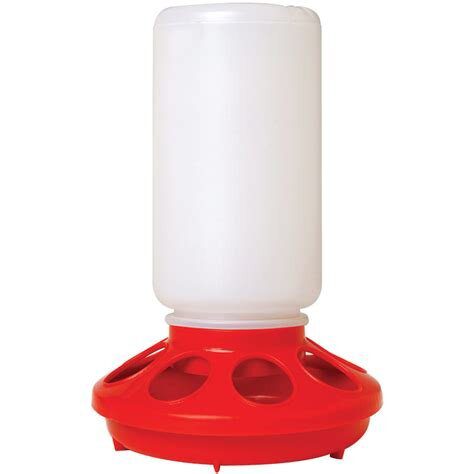
- Chick feeders & waterer bases
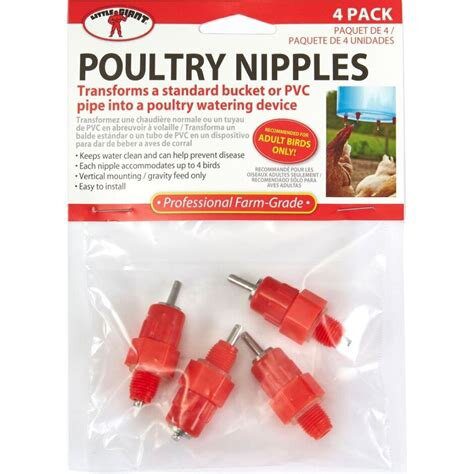
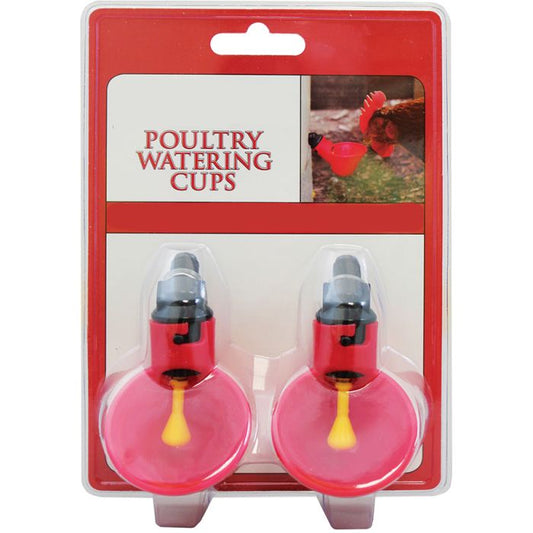
- Nipple waterers & watering cups
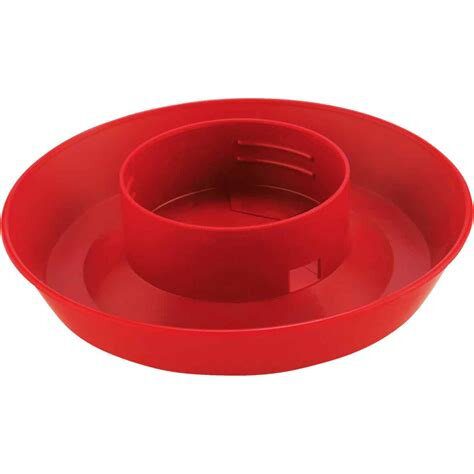
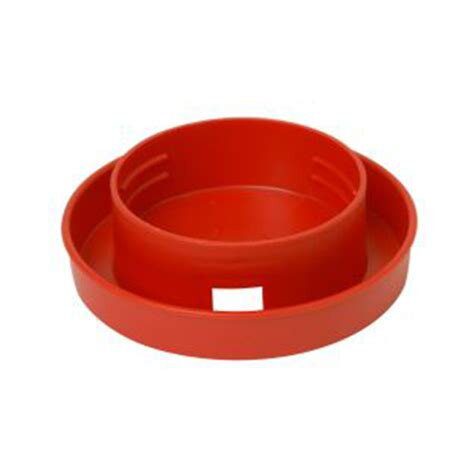
- Screw-on feeder & waterer bases
Feeders & Waterers FAQs
How much water do chickens drink per day?
A laying hen drinks roughly 500ml (about 2 cups) of water per day under normal conditions — more in hot weather or during peak laying. Water intake directly affects egg production: a hen deprived of water for even a few hours can stop laying for days. Always keep waterers full and clean.
Do I need a heated waterer for Minnesota winters?
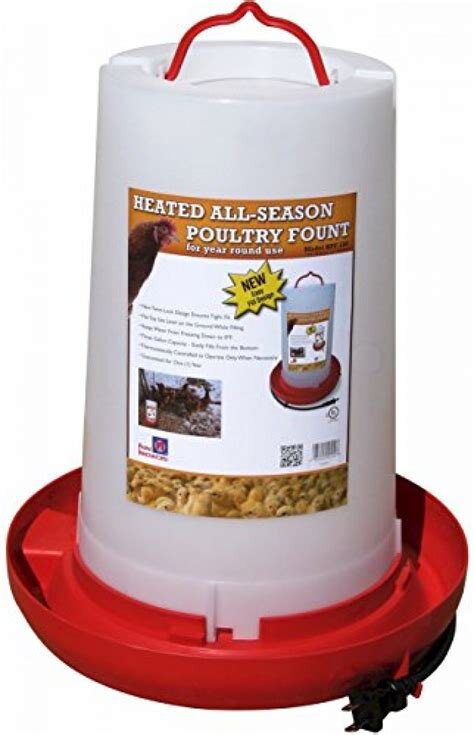
Yes, if your coop isn't heated. Chickens won't drink ice-cold or frozen water, and dehydration in winter is a real risk that affects egg production and overall health. A heated waterer base or a purpose-built heated fount keeps water liquid even in sub-zero temps. It's one of the most important winter investments for a Minnesota flock keeper.
What size feeder do I need for my flock?
A general rule is 1 inch of feeder space per bird for tube or trough feeders, or one feeder port per 3–4 birds for hanging feeders. For a flock of 6–8 hens, a 7–10 lb hanging feeder works well. Larger flocks benefit from multiple feeders to reduce competition and ensure all birds get adequate access.
How often should I clean my waterer?
Clean waterers at least once a week — more often in summer when algae and bacteria grow faster. Ducks and geese require more frequent cleaning since they dunk their bills and food into water constantly. A diluted white vinegar rinse is an effective, bird-safe cleaning method. Avoid soap residue, which can deter birds from drinking.
What's the difference between nipple waterers and open founts?
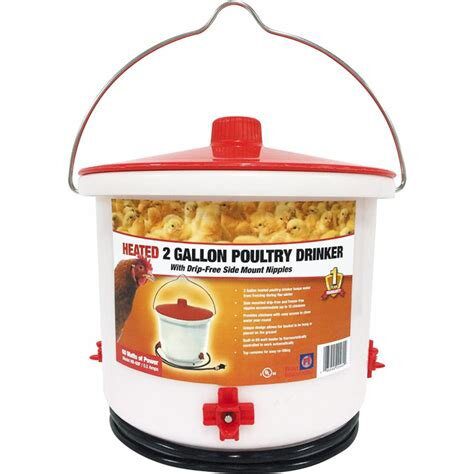
Nipple waterers keep water cleaner longer since birds can't contaminate the reservoir with bedding or droppings. They require birds to learn to use them (most do quickly) and work best in warmer months or heated coops. Open founts are easier for all ages and species but need more frequent cleaning. Heated bases only work with open-style founts, not nipple systems.
Read more from our Flock Blog:
→ Water Needs for Geese & Ducks
→ How Much Do Chickens, Game Birds & Ducks Eat?
→ Winterizing Your Poultry Coop: Tips for Northern Climate Keepers







![Galvanized Pan [4 qt] image 0](http://bloomingtonfarmandfeed.com/cdn/shop/files/ab4d86a6-miller_manufacturing_gp1_galvanized_pan_4_qt.jpg?v=1736371487&width=533)