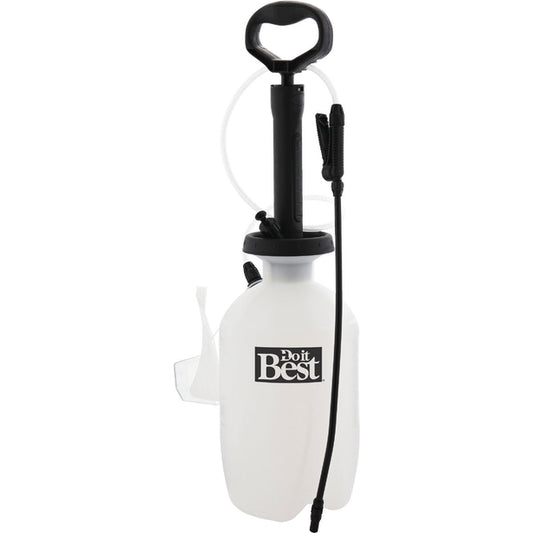
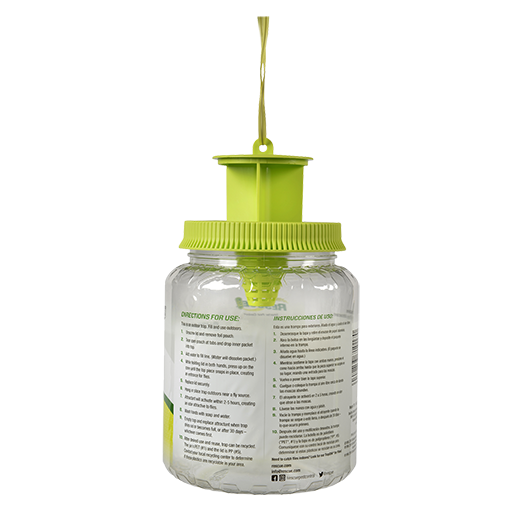
Keep your flock healthy and your coop fresh with our selection of coop cleaning and sanitation essentials. From odor-control bedding additives and disinfectants to scrapers, sprayers, and natural coop deodorizers, we carry everything you need to maintain a clean, safe environment for your birds.
- Coop disinfectants & sprays
- Odor eliminators & deodorizers
- Cleaning tools & scrapers
- Diatomaceous earth & pest control powders
- Nesting box fresheners
Coop Cleaning FAQs
How often should I clean my chicken coop?
Spot clean daily — remove visible droppings from roosts, nesting boxes, and high-traffic areas. Do a partial bedding refresh every 1–2 weeks depending on flock size and coop ventilation. Full cleanouts (removing all bedding, scrubbing surfaces, and disinfecting) should happen 2–4 times per year, or any time you notice persistent odor, mites, or illness in the flock.
What should I use to disinfect a chicken coop?
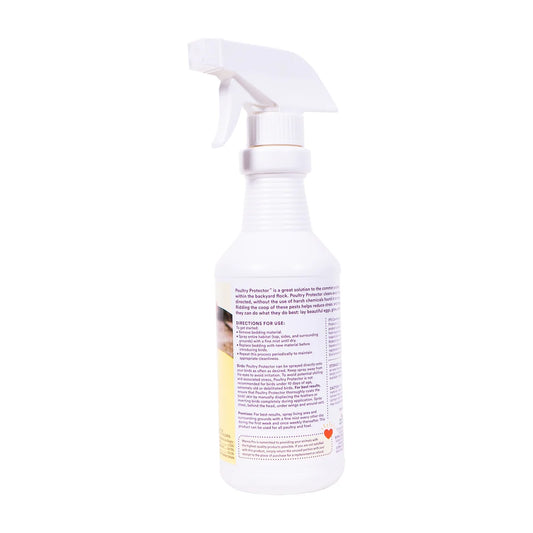
After removing all bedding and scraping surfaces, use a poultry-safe disinfectant spray or concentrate. Allow the coop to dry completely before adding fresh bedding — moisture left behind can promote mold and bacterial growth. Avoid bleach near birds; opt for veterinary-grade or food-safe disinfectants formulated for poultry housing.
How do I get rid of mites in my coop?
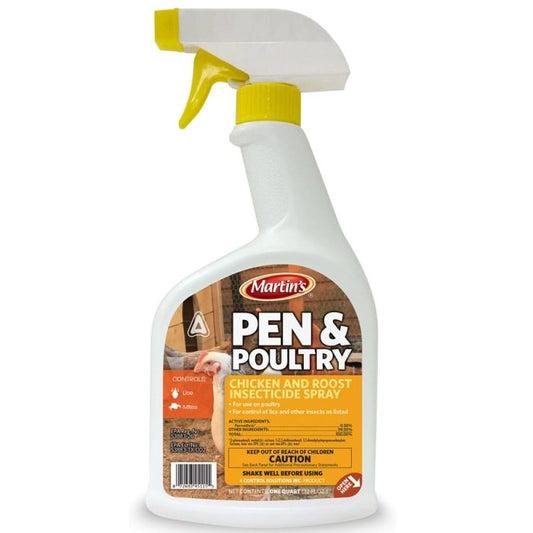
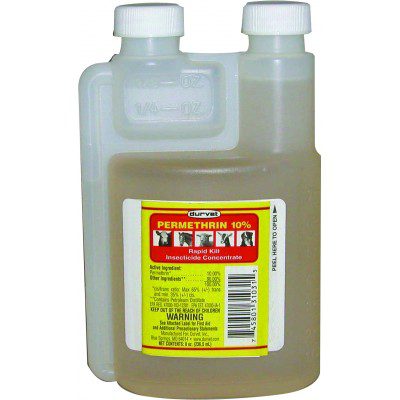
Start by removing all bedding and thoroughly cleaning the coop, paying special attention to cracks, crevices, and roost ends where mites hide during the day. Apply a permethrin-based spray or dust to all surfaces, then dust birds directly. Diatomaceous earth sprinkled in bedding and dust bath areas helps prevent reinfestation. Repeat treatment after 7–10 days to break the egg cycle.
What causes ammonia smell in a chicken coop?
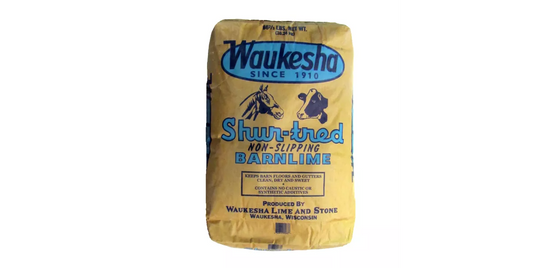
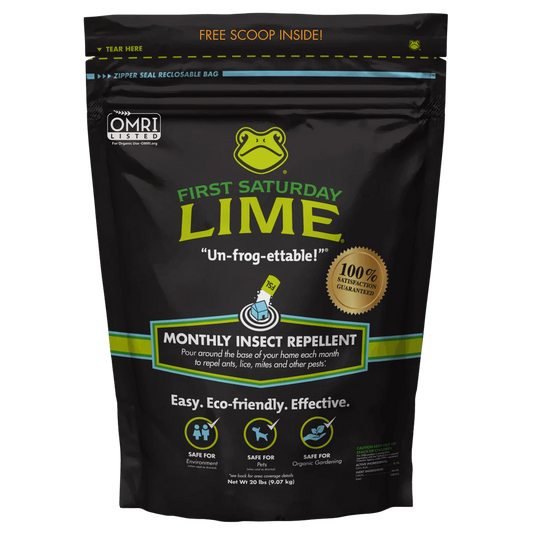
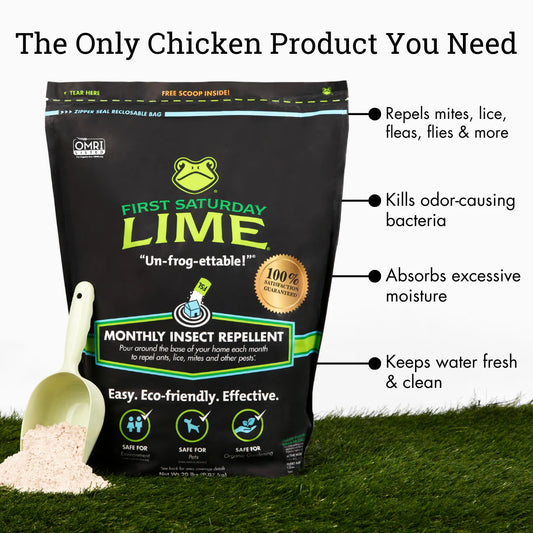
Ammonia comes from chicken droppings breaking down in wet bedding. The fix is almost always better moisture management — improve ventilation, fix any leaks, and add fresh dry bedding more frequently. Barn lime or First Saturday Lime sprinkled under bedding neutralizes ammonia at the source. High ammonia levels are harmful to both birds and keepers, so don't ignore persistent odor.
Is diatomaceous earth safe for chickens?
Food-grade diatomaceous earth (DE) is generally considered safe for use around chickens when applied correctly. It works mechanically — the fine particles damage the exoskeletons of mites, lice, and other insects. Apply it to bedding, dust bath areas, and coop surfaces. Avoid creating large dust clouds that birds or keepers could inhale directly, and always use food-grade, not pool-grade, DE.
Read more from our Flock Blog:
→ Parasite Prevention: Mites, Lice & Worms
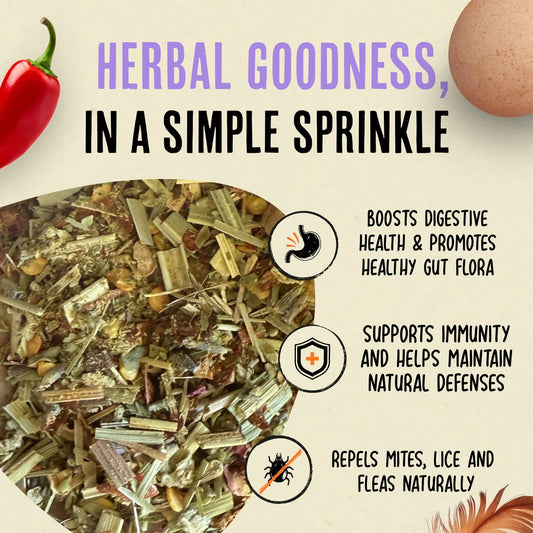
→ Using Herbs In Your Coop
→ The Deep Litter Method: A Complete Guide

![Shur Tred Barn Lime [Blue] (50 lb.) image 1](http://bloomingtonfarmandfeed.com/cdn/shop/files/276226a4-shur_tred_barn_lime_blue_50_lb.webp?v=1736371487&width=533)